
Roofing across Durham Region, built for lake-effect winters
Communities along the Lake Ontario shoreline in Durham see heavier lake-effect snow loading than inland areas, and we account for that in every assembly we install.
Email Us for a Free Estimate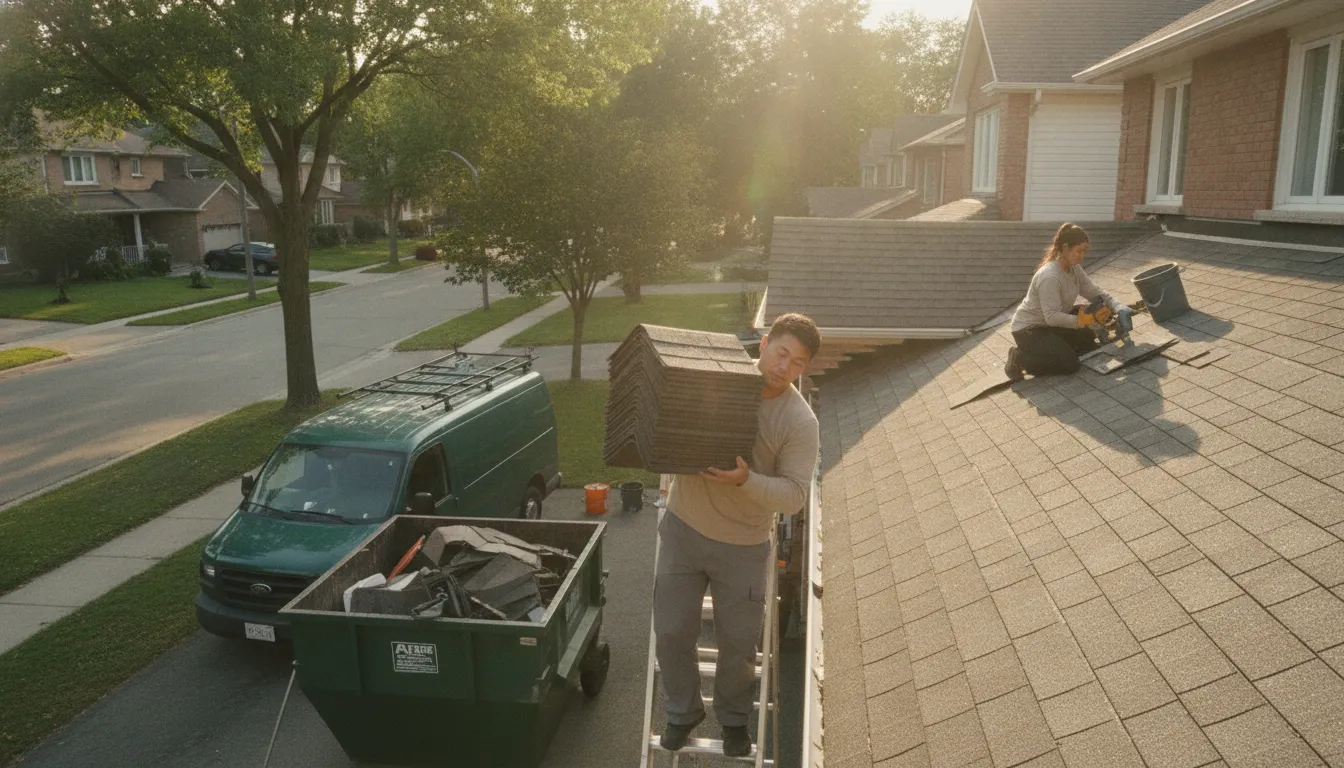
What sets Durham Region roofing apart
Durham Region stretches from lakeshore communities to more inland, rural municipalities, and roof conditions vary accordingly. Homes closer to Lake Ontario can see heavier snow accumulation from lake-effect systems, while inland areas deal more with standard freeze-thaw cycling. Rural and semi-rural properties in the region also bring longer roof spans and outbuildings into the mix.
Lake-effect snow loading
Shoreline communities can accumulate snow faster than inland areas during lake-effect events, which affects both structural loading and ice-damming risk at the eaves.
Mixed rural and suburban housing stock
Durham's mix of established suburban subdivisions and older rural properties means deck age and condition vary widely across the region.
Outbuildings and larger roof spans
Rural properties often include barns, garages, or workshops with roof spans and slopes that need their own specific assessment.
Wind exposure inland
Open agricultural land inland from the lakeshore brings its own wind-uplift considerations distinct from the more sheltered lakeshore communities.
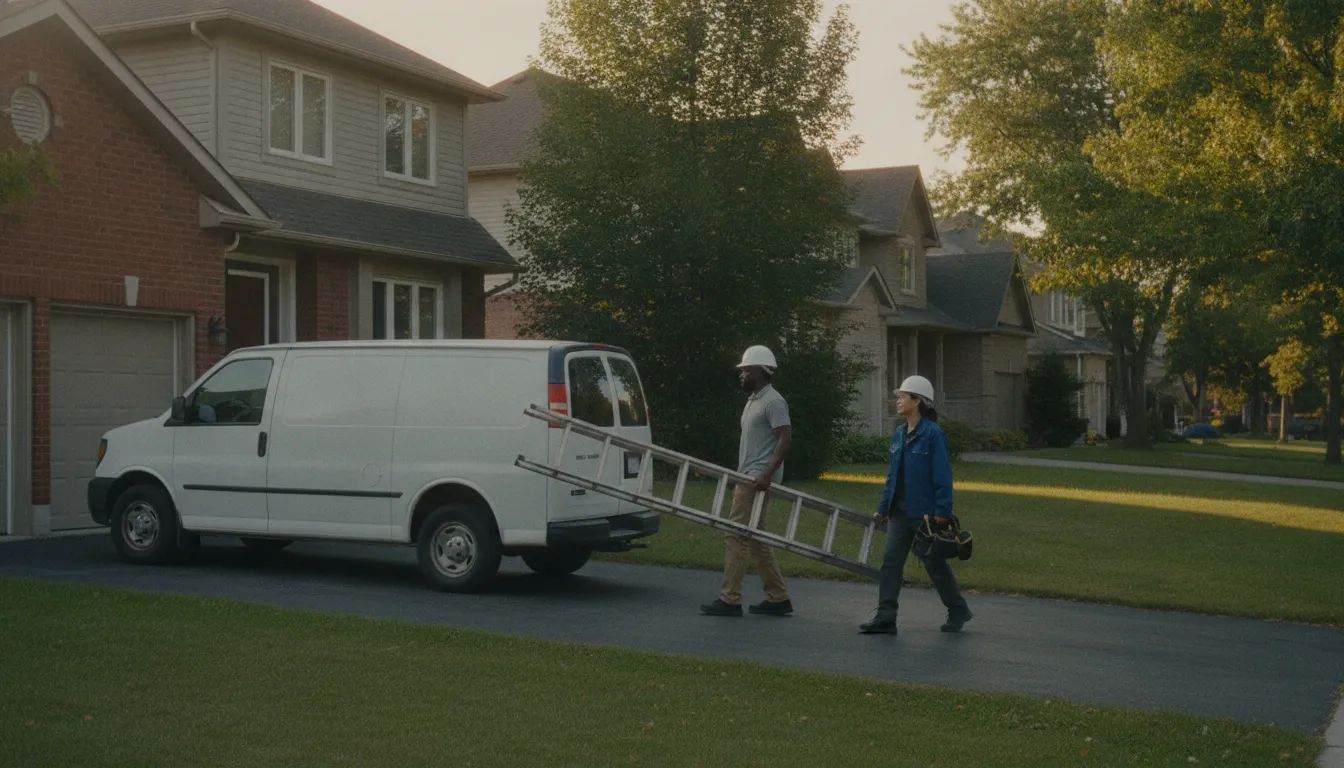
Lakeshore snow loading is often underestimated in roof design
A roof designed to a generic regional snow load standard can be undersized for the specific accumulation pattern near Lake Ontario, where lake-effect systems can deposit significantly more snow in a shorter period than inland weather patterns. This shows up over time as excessive eave ice damming or, in more serious cases, structural stress on aging framing.
We factor shoreline exposure into ventilation and membrane decisions
For properties closer to the lakeshore, we extend ice-and-water shield coverage at the eaves beyond code minimums where warranted, and pay particular attention to ventilation balance, since heavier snow cover on the roof surface changes how attic heat escapes and where meltwater refreezes.
Why Durham Region homeowners choose us
The region's range of conditions, from lakeshore to rural inland, calls for adaptable assessment.
Lake-effect snow load awareness
We account for heavier shoreline snow accumulation in membrane and ventilation decisions.
Licensed & insured
All work across Durham Region is carried out under active liability coverage.
Rural and suburban experience
We assess both suburban subdivision roofs and larger rural rooflines, including outbuildings.
Code-compliant ventilation
Ventilation balance is corrected to Ontario Building Code minimums regardless of property type.
Wind-uplift consideration
Inland, open-exposure properties are assessed for wind-uplift risk distinct from sheltered lakeshore homes.
Written scope of work
You receive documented findings before any work begins.
How we approach roofing across Durham Region
We adjust our assessment based on where in the region a property sits.
- 1
Location-specific assessment
We factor in proximity to the lakeshore versus inland location when evaluating snow and ice risk.
- 2
Deck and structure check
Deck condition and, for rural properties, broader roof framing is assessed for age-appropriate wear.
- 3
Ventilation and membrane sizing
Ice-and-water shield coverage and ventilation balance are sized to the specific exposure of the property.
- 4
Installation
Work proceeds with attention to the property's specific wind and snow exposure.
- 5
Final walkthrough
We review the completed roof and ventilation with you before closing out the project.
Common causes of roofing issues across Durham Region
These patterns show up repeatedly across the region's varied communities.
Lake-effect ice damming
Heavier snow accumulation near the lakeshore increases the risk of meltwater backing up under shingles at the eaves.
Undersized eave protection
Membrane coverage sized only to code minimum can be inadequate for properties with heavier shoreline snow exposure.
Aging rural roof structures
Older barns and outbuildings on rural Durham properties often have roof framing that wasn't designed for current snow load expectations.
Wind uplift on open-exposure properties
Inland properties on open lots face higher wind-uplift risk on shingle edges and ridge caps.
Ventilation imbalance in older subdivisions
Suburban homes built decades ago may have ventilation systems that no longer meet current balance standards.
Flashing wear from thermal cycling
Repeated freeze-thaw cycling loosens flashing fasteners and degrades sealant over time across the region.
Durham Region roofing questions
Do lakeshore properties in Durham need different roofing than inland homes?
Properties closer to Lake Ontario can see heavier lake-effect snow accumulation, which we account for in membrane coverage and ventilation decisions.
Do you work on rural properties with barns or outbuildings?
Yes, we assess and repair roofing on rural structures in addition to standard residential roofs.
Which communities in Durham Region do you serve?
We serve Durham Region broadly, including lakeshore and inland communities, as part of our Greater Toronto Area coverage.
What causes ice damming specifically near the lakeshore?
Heavier and faster snow accumulation from lake-effect weather systems increases meltwater volume at the eaves, which can overwhelm undersized ice-and-water protection.
How do I get a quote for a Durham Region property?
Email us your address and a description of the issue, and we'll schedule an on-site assessment.
Coverage map
Communities We Serve in Durham Region
Durham Region is highlighted below — every community has its own local page, and we cover the rest of the GTA too.
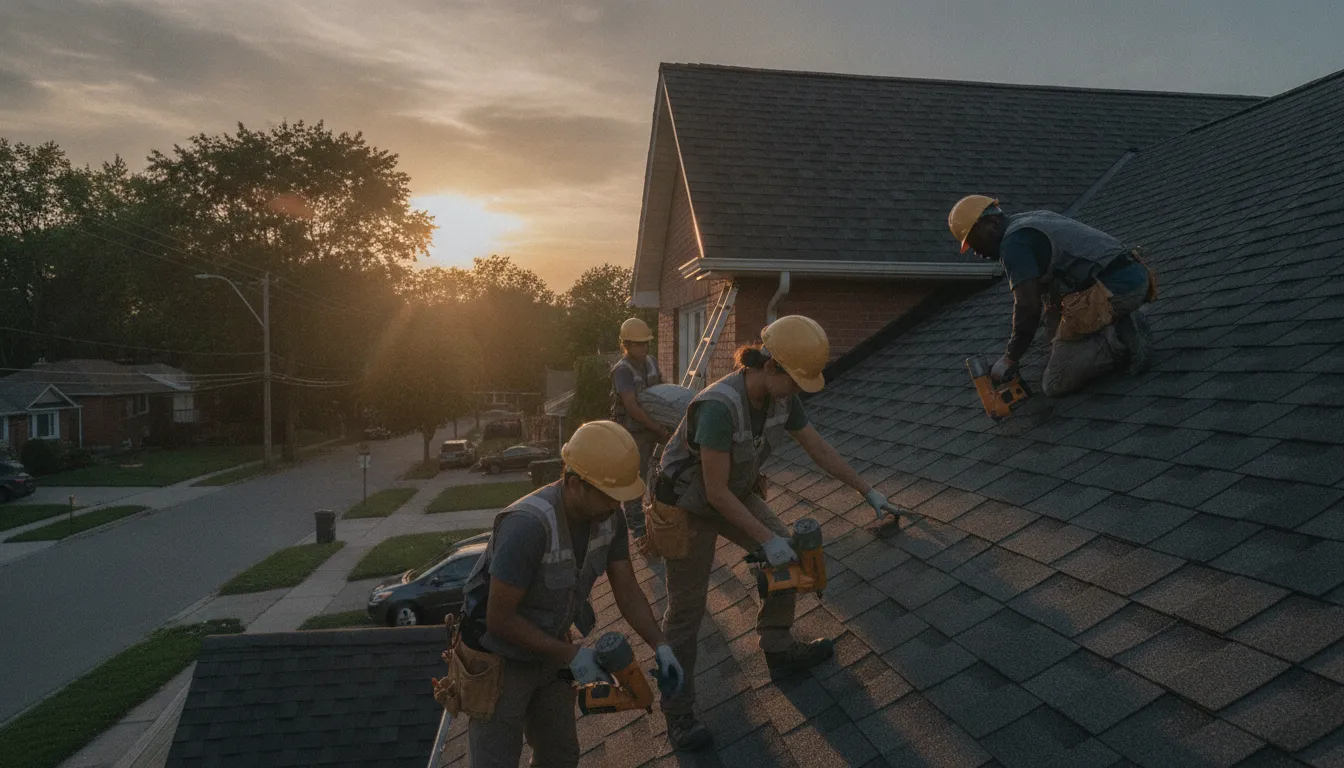
Get your Durham Region roof assessed for lake-effect exposure
Email us your address to schedule an on-site visit.
Email Us for a Free EstimateProudly Serving Durham Region, ON
Local, on-time service throughout Durham Region and the surrounding area.